
The Napa Valley of oysters
Damariscotta River Oysters
From family-run farms on Maine’s busiest oyster river. Harvested to order, shipped overnight.

Map of the upper Damariscotta River in Maine, north at the top, drawn to scale from NOAA nautical charts, from Great Salt Bay down to the Boothbay shore below the Darling Marine Center. Blackstone Point’s pin is at Hog Island; Unicorn Oyster Co.’s is just below it, east of Perkins Point; Norumbega’s is at Upper Dodge Cove; and Pleasant Cove’s is on the Boothbay shore of the lower river.
Damariscotta River oysters are some of the most celebrated oysters in North America, and for good reason. This narrow tidal river in Midcoast Maine is where people were eating oysters more than 2,000 years ago, where modern Maine oyster farming began, and where a handful of small farms now grow oysters that taste unmistakably of their stretch of water. We call it the Napa Valley of Oysters.
Why the Damariscotta Is the Napa Valley of Oysters
Napa Valley's wines change from one end of the valley to the other. The southern end, near San Pablo Bay, is cooled by fog and breezes off the bay. Calistoga, ringed by mountains at the northern end, is the hottest part of the valley floor. The Damariscotta follows the same pattern. It is a narrow river valley that the sea flooded after the last ice age, cold and salty at its mouth and warmer and less salty at its head, and its oysters change from one stretch to the next. Wine lovers call this terroir. Oyster lovers call it merroir.
The tide does much of the work. Twice a day a tide averaging more than nine feet carries cold, clean Gulf of Maine water up the river. Very little fresh water flows in, so the river is mostly seawater. Near the mouth, the water stays cold and nearly as salty as the open Gulf. Farther up, a natural bedrock narrows holds the upper river's water for a week or more. In that shallow water, about 18 feet deep on average, the seawater warms through the summer and holds on to the plankton oysters feed on. Satellite readings put the river's typical summer surface temperature at about 61°F at the mouth and about 73°F in the upper river.
That warm upper river is where most of the river's farms grow their oysters. In a 2022 satellite study of five Midcoast Maine rivers, University of Maine researchers and their colleagues found that the upper Damariscotta was the only area to earn the top score for oyster-growing conditions, thanks mainly to its warm summer water. At the very top lies Great Salt Bay, shallower, warmer and less salty again, with beds of eelgrass. Most of the bay is protected by the state as a shellfish preserve.
The cold matters too. Maine Sea Grant notes that oysters grow best in water above 70°F, and that in cold places like Maine they filter more slowly, which gives them more time to develop the flavor of their home water. Today the Damariscotta is the largest oyster-growing area in northern New England and grows more than half of Maine's farmed oysters, each one tasting of the stretch of river where it grew.
Thousands of Years of Oysters
The Damariscotta has been an oyster river far longer than it has been a farming one. After the last Ice Age, as the Gulf of Maine cooled, oysters held on only in a few narrow, current-swept estuaries where the water stayed warm enough for them to spawn. The Damariscotta was one of them.
Two to three thousand years ago, the Wabanaki people harvested oysters here in huge numbers. The shell heaps they left behind, known as the Damariscotta shell middens, are still landmarks on the riverbank today.
Where Maine Oyster Farming Began
Modern Maine oyster farming started on this river. In 1972, University of Maine researchers began culturing oysters in the Damariscotta next to the university's Darling Marine Center, with what was the very first Sea Grant funding in Maine. Some of the students who studied here went on to start oyster farms of their own, and the river has been the heart of Maine's oyster industry ever since.
Our Damariscotta River Farms
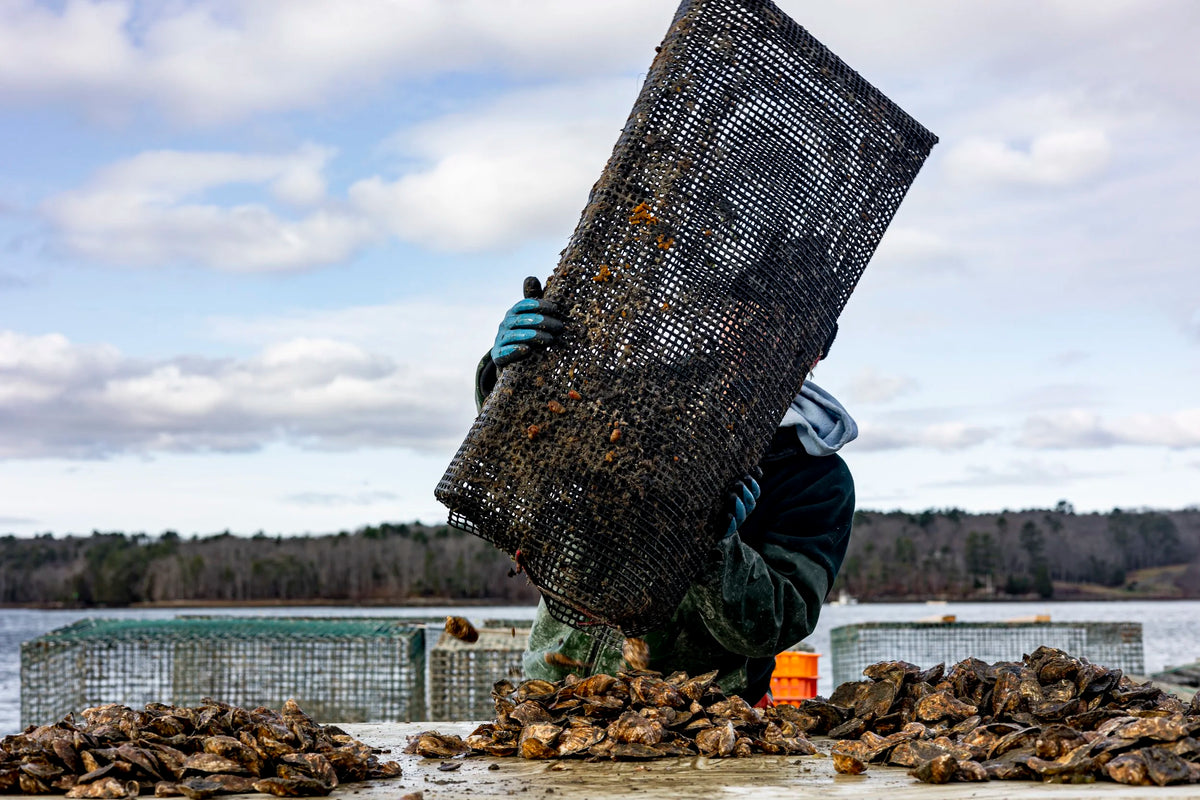
We work directly with family-run farms on the river. Each one grows its own oysters, and each is worth tasting side by side:
- Arcadian Petites, Pink Stripes, Swirls, Lemon Stones and Norii from Unicorn Oyster Co.
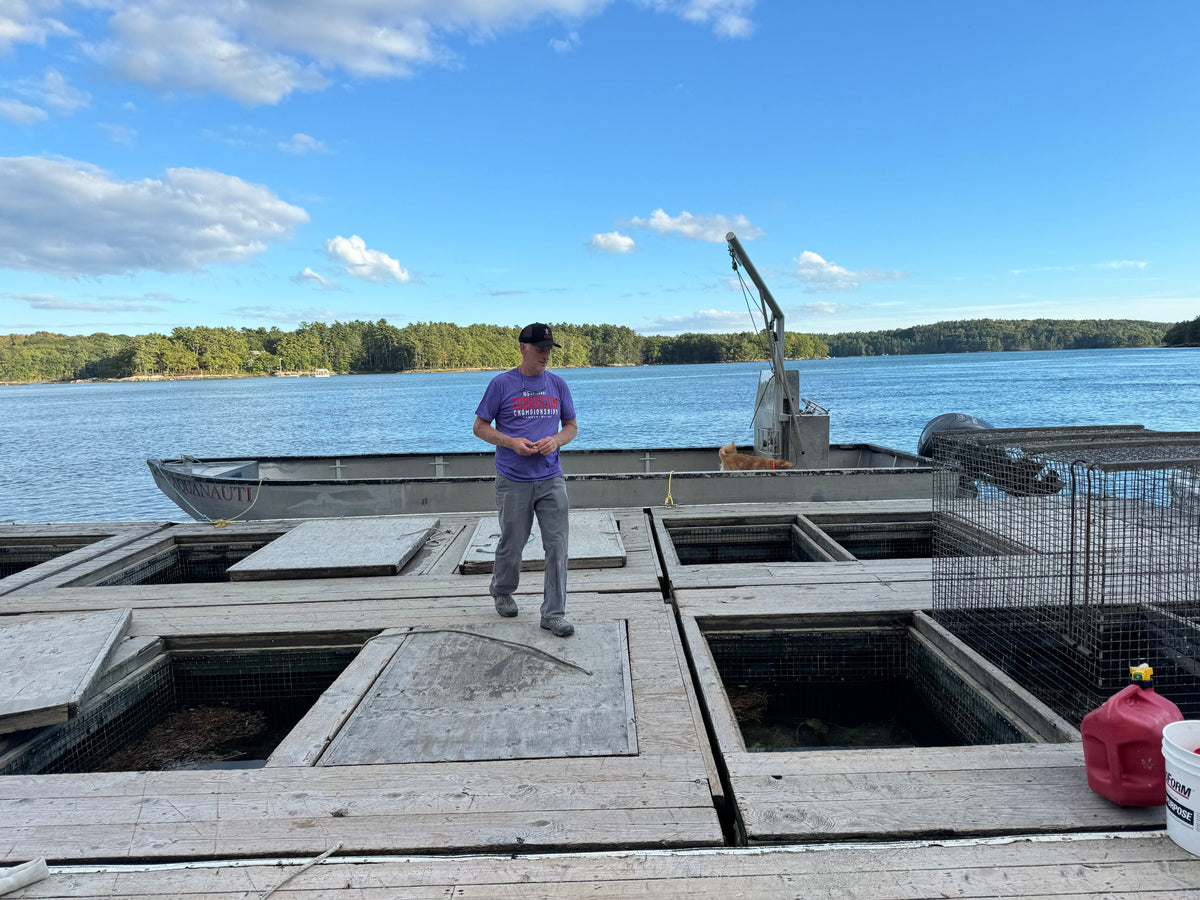
- Rock Island Petites and Norumbega Bays from Norumbega Oyster
- Pleasant Cove Pearls from Pleasant Cove Oysters
- Blackstone Point oysters
Meet the people behind them on our Our Farm Partners page.
The River Through the Seasons
Damariscotta oysters are available year-round, but late fall and winter are peak season. Before the cold sets in, oysters store up glycogen, which makes them plump, firm, and noticeably sweeter. Read more in Do Oysters Hibernate? Why Winter Is the Best Time to Eat Oysters.
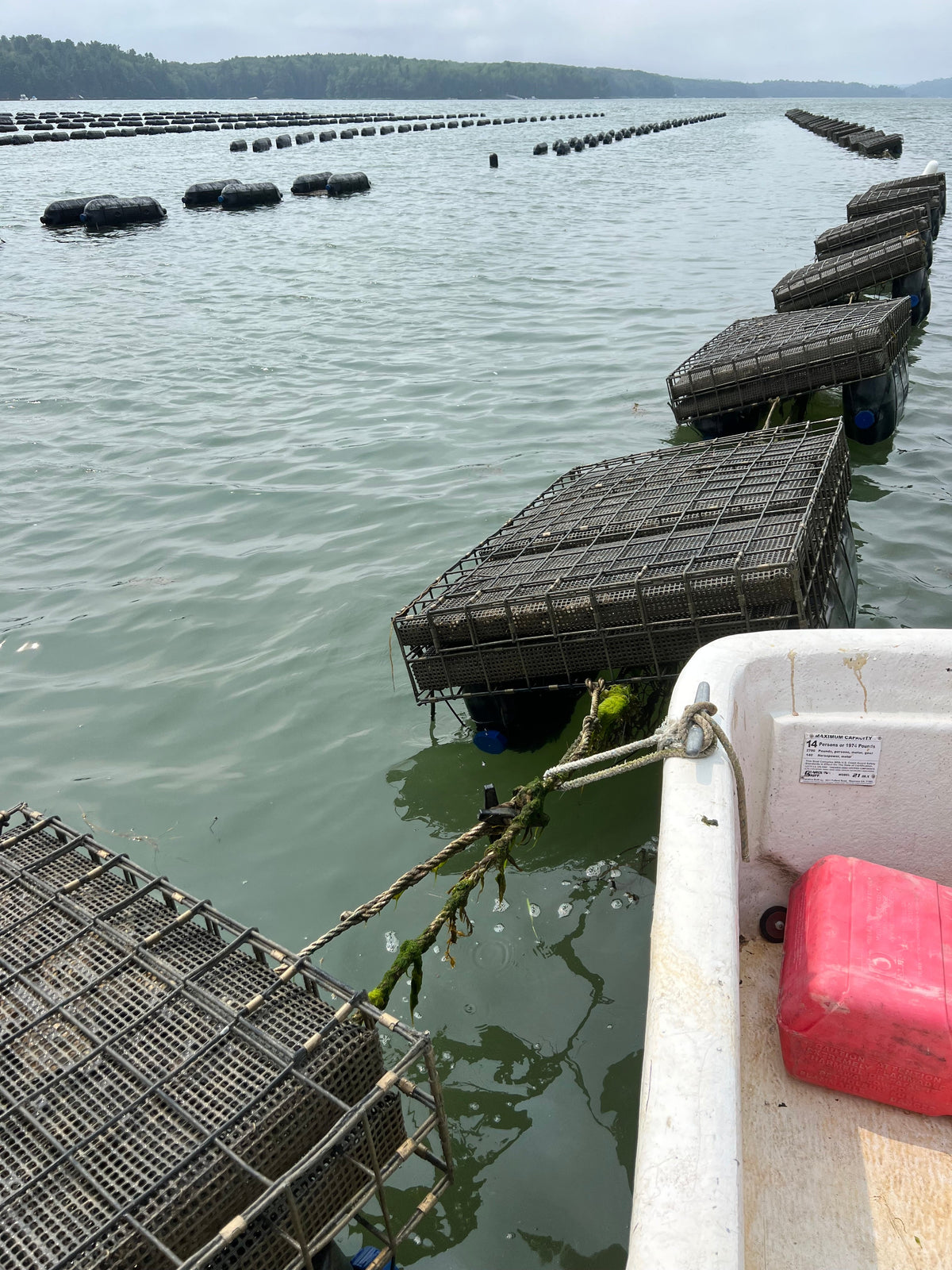
When ice comes to the river, our farms sink their cages to the bottom, safely below the ice floes, and keep oysters in wet docks right off their riverfront properties so they stay in river water all winter. Pleasant Cove Oysters closes each January and February; every other farm keeps harvesting through the winter.
From the River to Your Door
We pack every order on the river and ship Damariscotta River oysters overnight, so they arrive cold and ready to shuck. Whether you're planning a dinner party, a holiday tray, or just a Tuesday night treat, shop our Maine oysters and taste the river for yourself.
Consuming raw or undercooked shellfish may increase your risk of foodborne illness, especially if you have certain medical conditions.
Our farm partners
The Napa Valley of oysters.
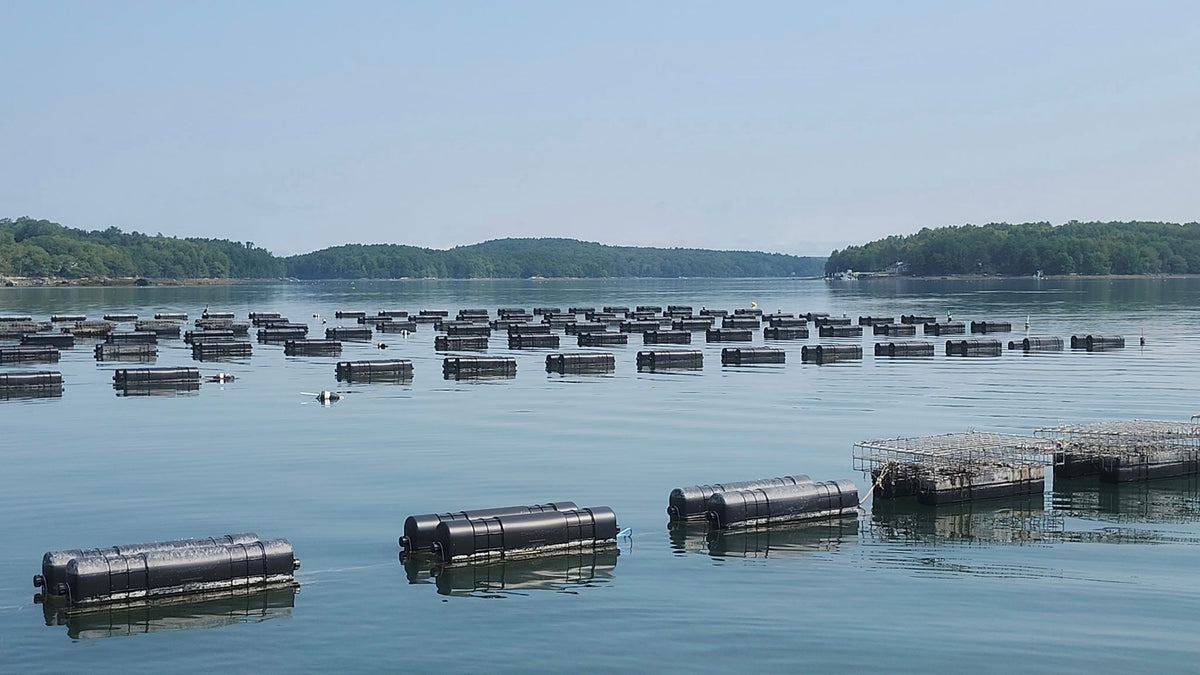
Maine’s Damariscotta River is often called the Napa Valley of oysters. It runs from Great Salt Bay to the Gulf of Maine. Twice a day, the tide rises and falls an average of more than nine feet. The water turns saltier toward the sea. Oysters take their flavor from the water they filter, so where a farm sits on the river matters. Our partner farms work different stretches, from Great Salt Bay to the lower river.


From the people who shuck them
You don't have to take our word for it
Gifted Unicorns for NYE to myself and friends all over the country and they were overjoyed. Felt like we were tasting the ocean they were so fresh.
We love Unicorn Oysters. The only oysters we offer on our menu. Our customers continuously say they're the best oysters they have ever had!
I run a small supper club and these beat what my distributor brings. Fresh and the cleanest oysters I've ever served.
Questions about Damariscotta River oysters
Why is the Damariscotta called the Napa Valley of oysters?
Like Napa, it is one valley where every stretch has its own flavor. Napa is coolest at its bay end and hottest up north, and the Damariscotta runs the same way. Twice a day, tides averaging more than nine feet carry cold, clean Gulf of Maine water upriver. Little fresh water flows in, so the mouth stays cold and nearly as salty as the sea. Above a bedrock narrows, the water lingers a week or more. In summer it warms to about 73°F, ideal for oysters, and holds the plankton they eat. At the top, Great Salt Bay is shallower, warmer and less salty still.
Oysters taste of the water they filter. Wine has terroir. Oysters have merroir. People feasted on oysters here more than 2,000 years ago, and today the river grows more than half of Maine’s farmed oysters.
What do Damariscotta River oysters taste like?
It depends on the farm and the stretch of river. Our oysters range from light cucumber and melon (Arcadian Petites, Rock Island Petites) to sweet and creamy (Norumbega Bays) to bright and buttery (Blackstone Points). Pleasant Cove Pearls taste of sweet cream melon with bright salinity, and Pink Stripes finish salty-sweet.
When are they in season?
Maine oysters are available year-round. Some people consider fall and winter the peak, when the oysters store glycogen and turn fat and sweet. Arcadian Petites, Rock Island Petites and Norumbega Bays are available year-round. Pink Stripes are year-round, with low quantities in spring. Pleasant Cove Pearls run from March to December. From spring to fall, we also have seasonal oysters from Norumbega, Unicorn and Blackstone Point.
How are they shipped?
The farm harvests to your order, and we pack your oysters with frozen gel ice packs the same day. We ship them overnight in a recyclable insulated package. You get tracking by email, and no signature is required.
When should I order?
Whenever you like, even weeks ahead. When you order, you choose the date you want your oysters delivered. Just order at least two days before that date. The farms harvest the morning before delivery.
How long do they keep, and how should I store them?
Kept in the refrigerator, our oysters stay good for up to 7–10 days. For the best flavor, Maine Sea Grant advises eating them within seven days. Store them in an open bowl or tray, with a damp cloth on top. Don’t let them sit in melted ice or fresh water.
What are petite and cocktail sizes?
Each farm defines its sizes a bit differently. Petites are the smaller end of what a farm offers, typically 2.5"–3.25". A farm’s cocktail oysters are the next size up.
Are these oysters farmed?
Yes. Every Damariscotta oyster we sell is raised by one of our partner farms, on sites licensed by the Maine Department of Marine Resources.
Order Damariscotta River oysters
The farm harvests to your order. We pack your oysters with frozen gel ice packs the same day and ship them overnight.